See and do
The exhibitions, the commandant’s house, monuments, and reconstructions together tell the story of Camp Westerbork and of the more than 100,000 Jews, Sinti and Roma who were deported from here to extermination camps. Across the site, other traces reveal the camp’s layered history. From 1951 onwards, for example, it served for twenty years as the “Schattenberg residential camp,” home to several thousand Moluccans. Please note that most activities and exhibitions are conducted in Dutch.
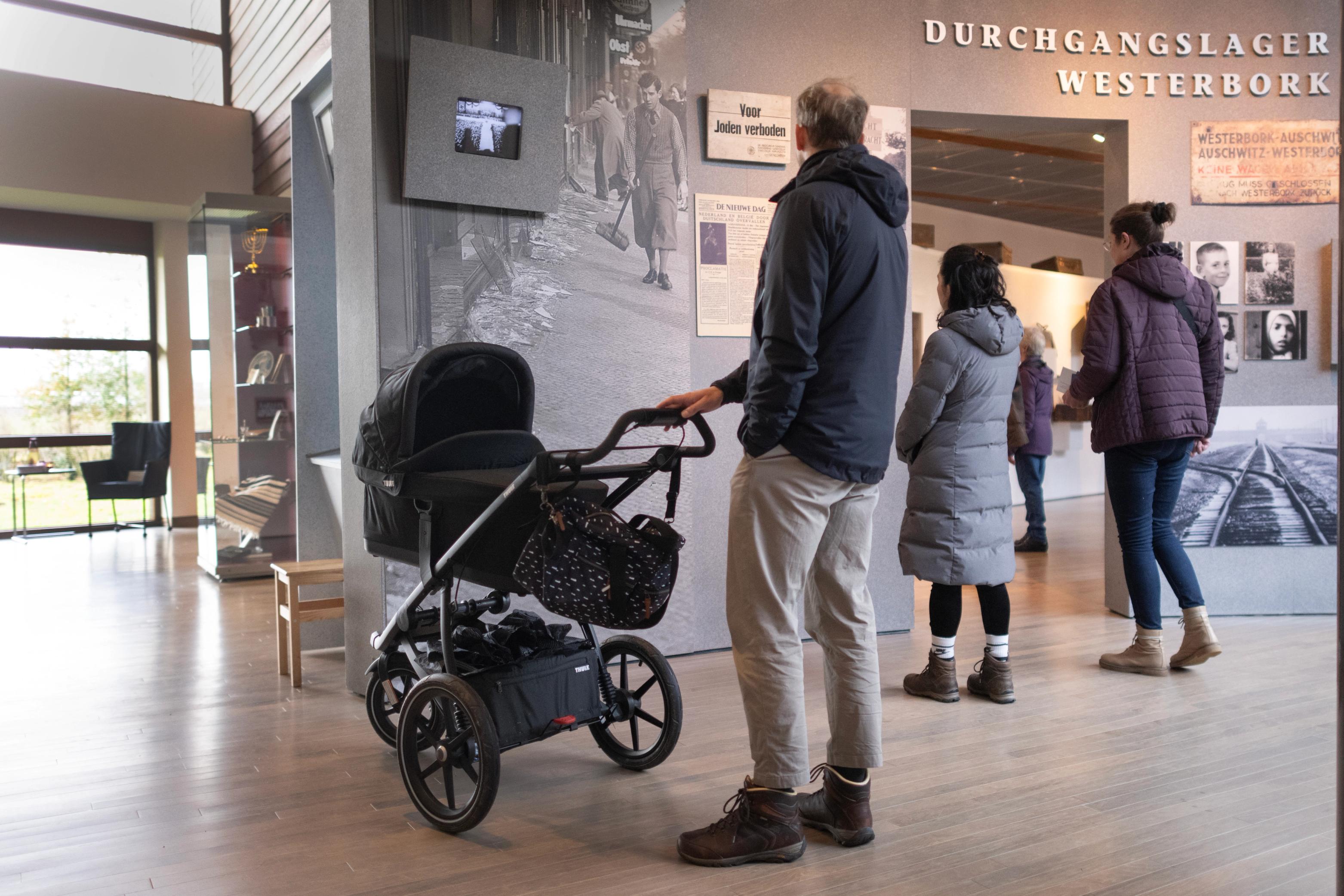

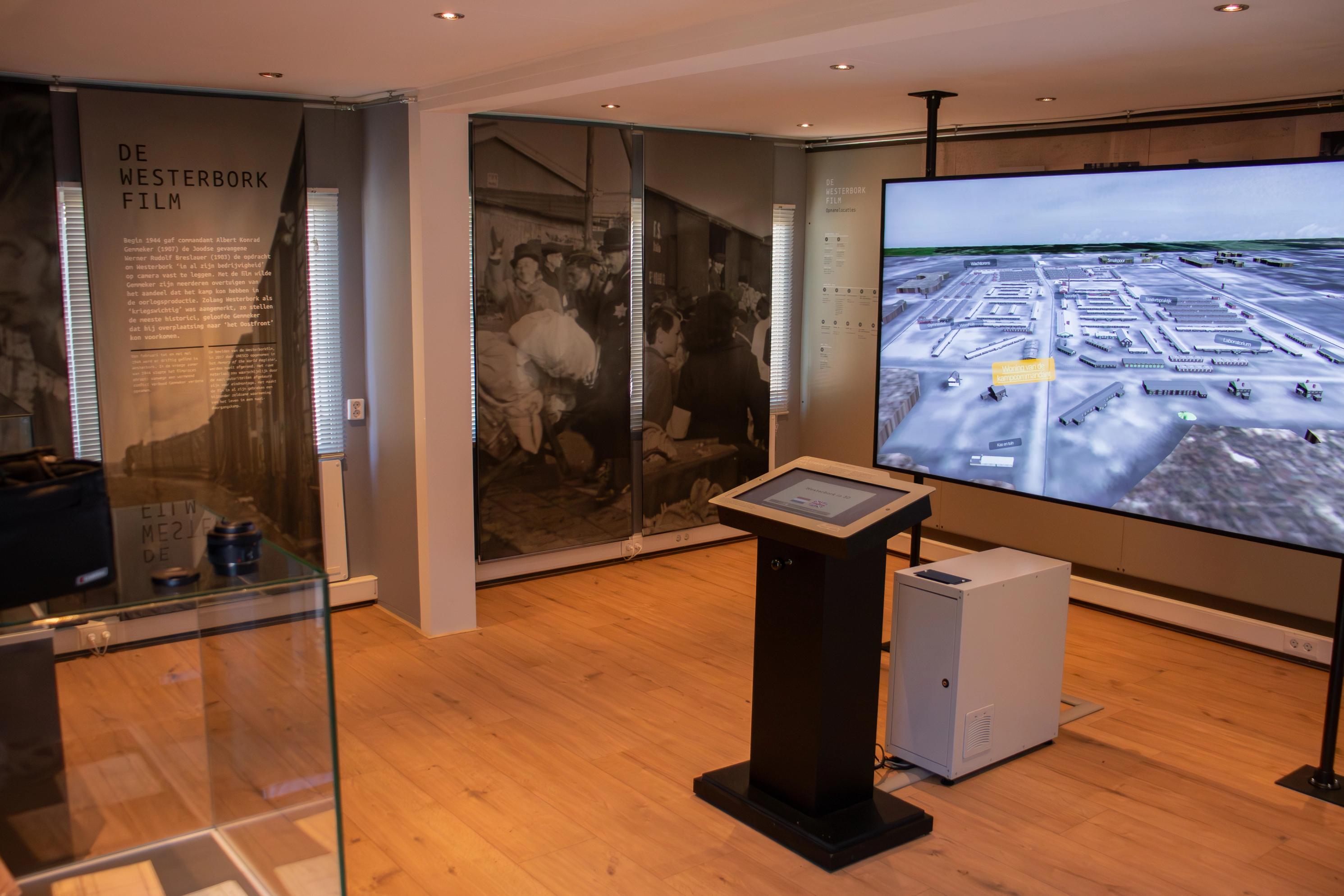
Historic site
The historic site is situated about 3 kilometers from the museum. In 1971, the last huts of Camp Westerbork were demolished, leaving the historic location barely recognizable. To change this, a redevelopment took place in the early 1990s. The commandant’s house from 1939, along with monuments and reconstructions at the historic site, commemorate the more than 100,000 Jews, Sinti, and Roma who were deported to extermination camps in the East.