Go to main content

Knowledge Centre

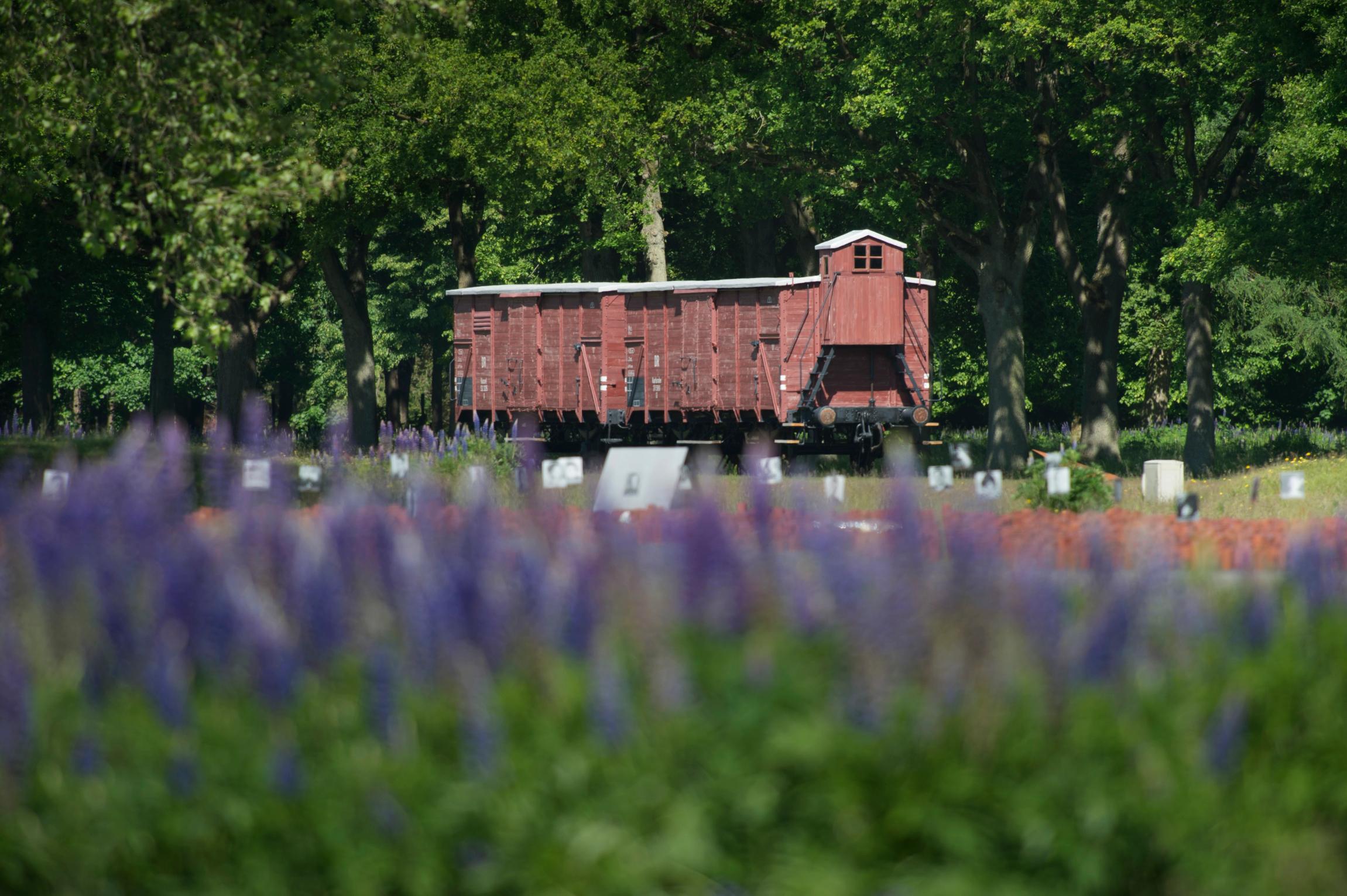
Purple lupins forming a line in front of the restored railway carriage at the camp site of camp Westerbork

The Knowledge Centre forms the core of the Camp Westerbork Memorial Centre. Here, staff members in education, collections and research work closely together. They explore, preserve and share knowledge about Camp Westerbork and the histories of the Holocaust and decolonisation. They also focus on how to deal with the historic site of Camp Westerbork and the Schattenberg residential camp.

Various departments

Knowledge Centre

The educational department develops programmes and materials for schoolchildren and other target groups, always in line with current developments in education and with a focus on historical accuracy. The collections department manages, catalogues and enriches the Memorial Centre's tangible and intangible resources, ranging from personal objects and documents to audiovisual materials. The research department provides depth, context and new insights and is responsible for national and international projects. Through research, a connection is established between academic knowledge and the centre’s public function.
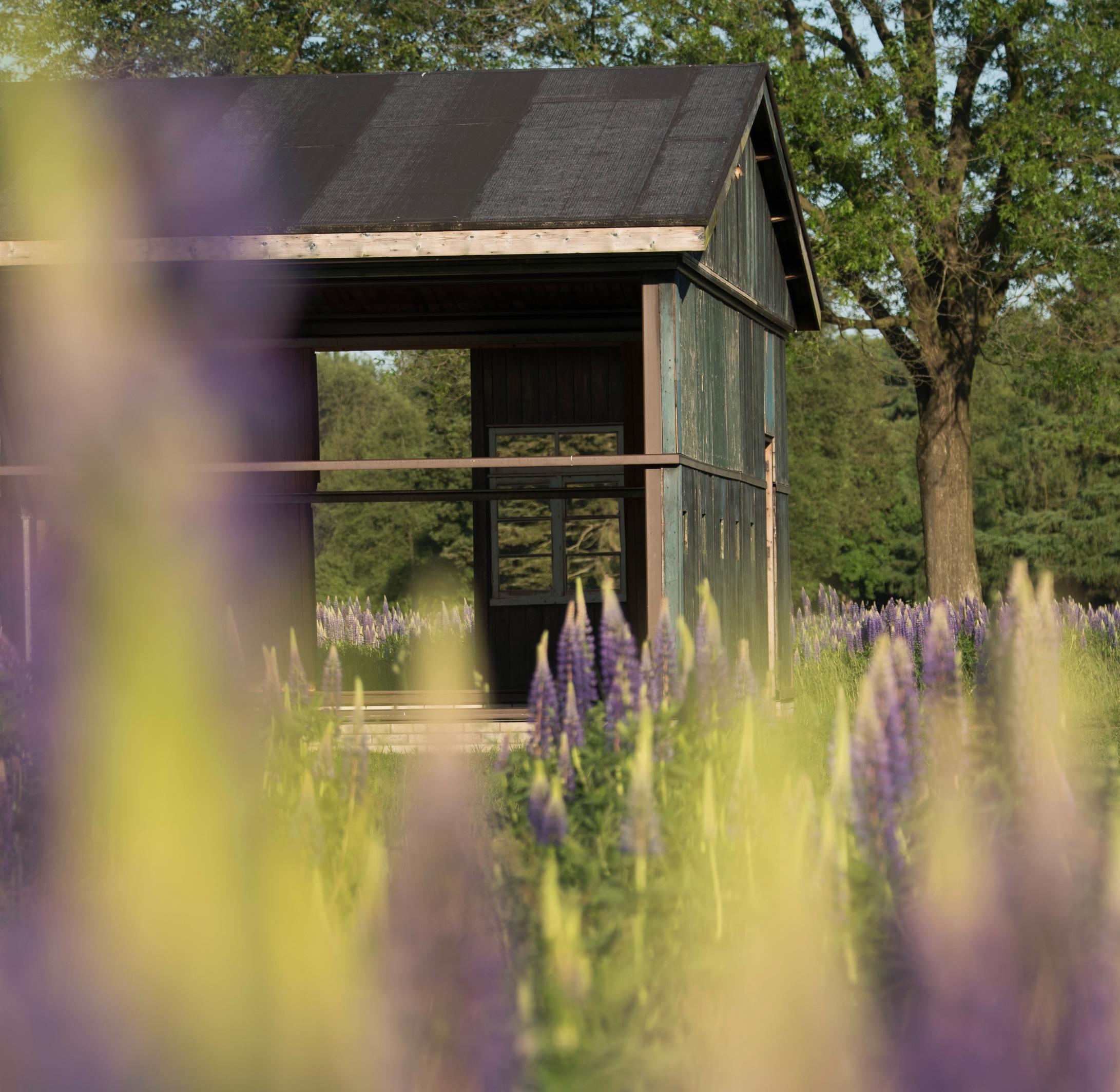
A peek through blurry purple lupins at the former Barrack 56 at the camp site of Camp Westerbork

National Guest Speakers Support Centre (LSG)

Knowledge Centre

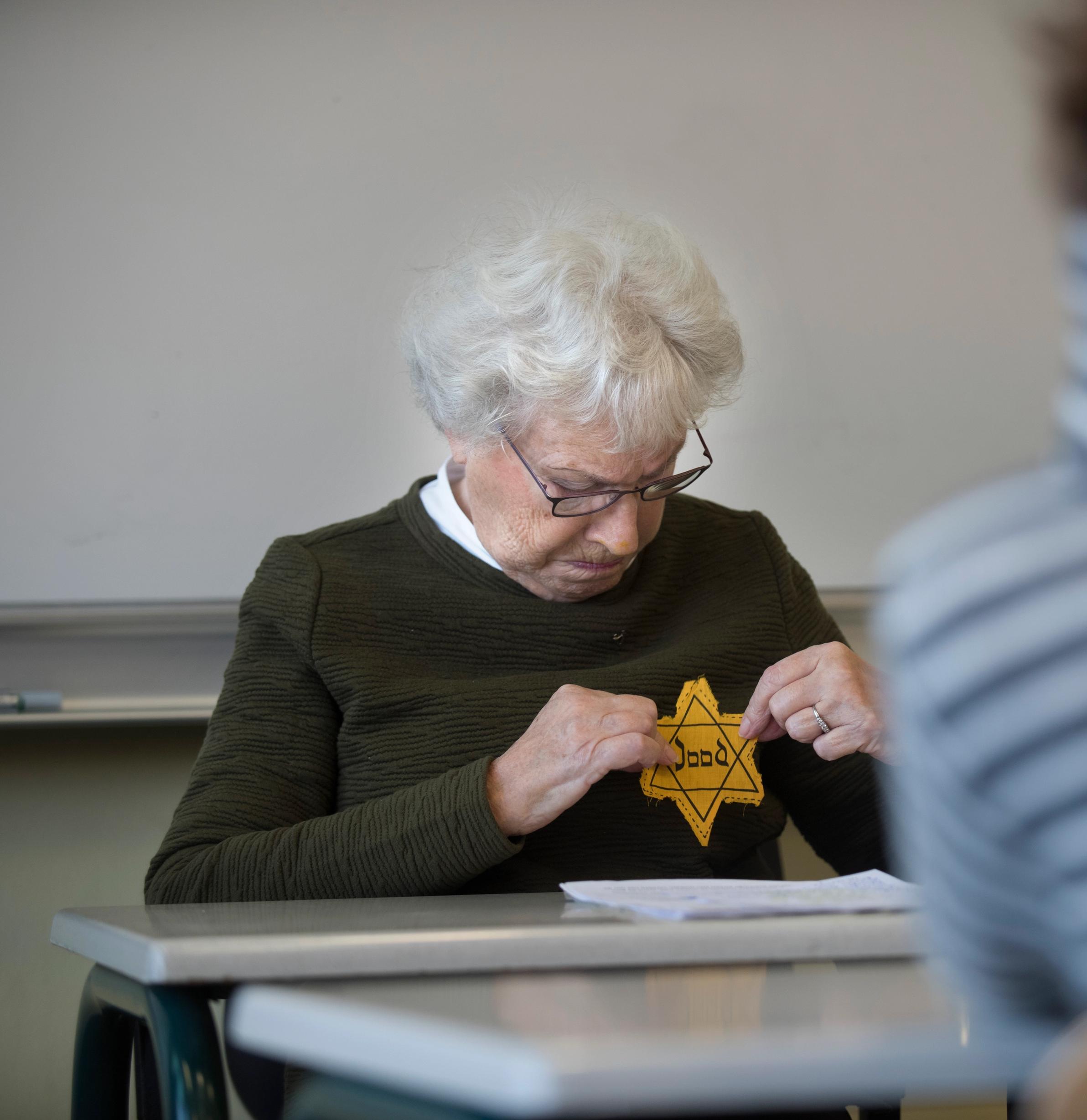
The National Guest Speakers Support Centre (known in Dutch as the 'Landelijk Steunpunt Gastprekers' (LSG)) is also part of the Knowledge Centre. This project supports guest speakers who share their personal stories or family histories relating to persecution, war and the lasting effects of these experiences.

Older woman with white hair pins a Jewish Star to her chest, as part of a guest lecture at a school about the Second World War

In this way, in addition to sharing historical knowledge, the Knowledge Centre contributes to understanding developments in Holocaust education, the accessibility of collections with a fraught history, and reflection on keeping the memory of the Holocaust alive, both within and outside Camp Westerbork.

Projects

As a knowledge centre, the Camp Westerbork Memorial Centre contributes to a wide range of national and international projects and initiatives.

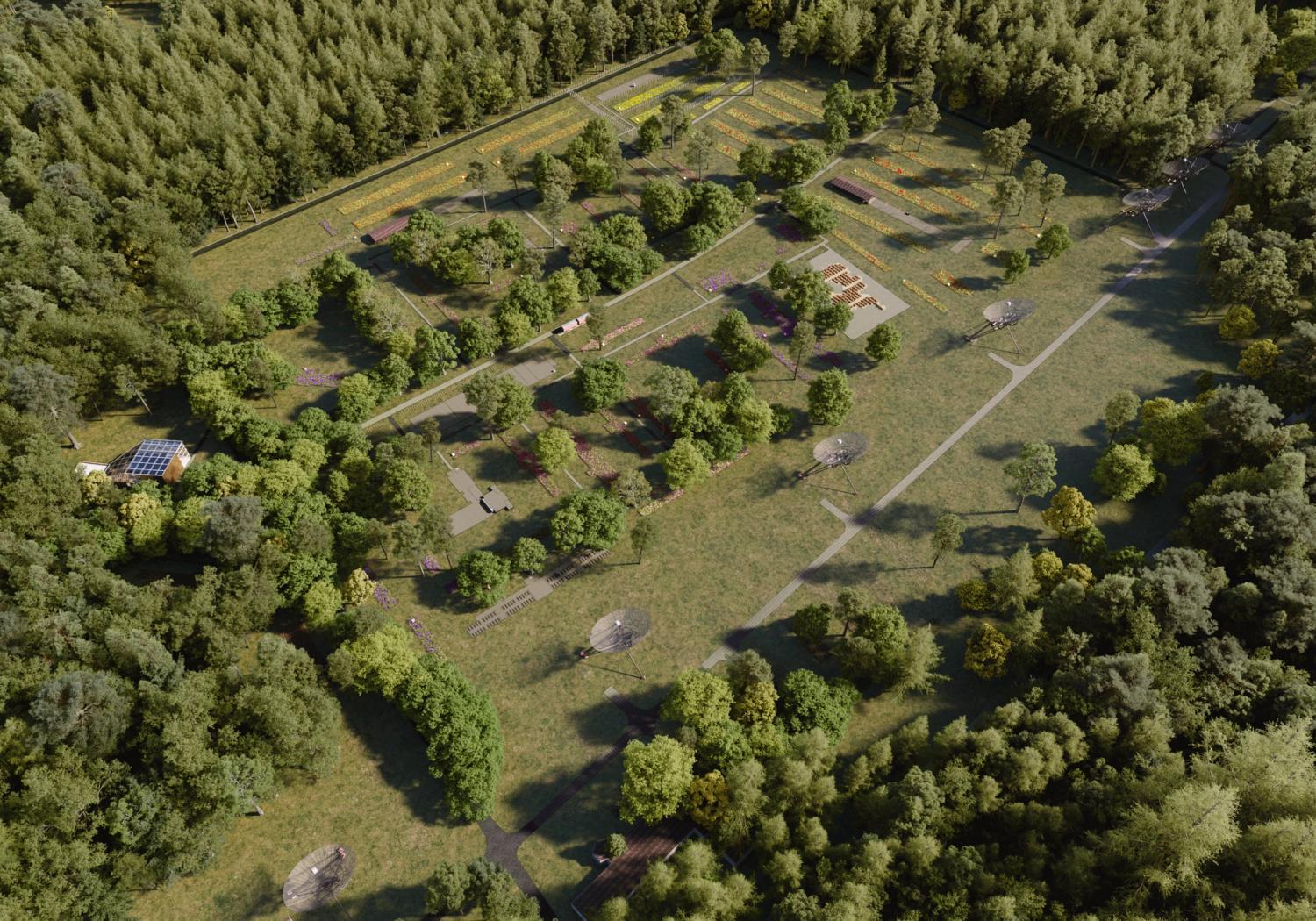
  • The Camp Westerbork Memorial Centre was a partner in the international research project IC‑ACCESS – Accessing Campscapes, a consortium that worked from 2016 to 2019 on developing new perspectives on (war‑time) camps as heritage sites. The project brought together European universities and memorial centres to explore the complex histories of camps such as Westerbork, Bergen‑Belsen and Jasenovac through interdisciplinary methods. Within this project, virtual reconstructions, archaeological surveys, and experiments with digital and interactive forms of presentation were developed to make the material traces and memory cultures surrounding these camps more accessible and shareable.

    IC‑ACCESS – Accessing Campscapes

  • The Camp Westerbork Memorial Centre participated in Houses of Darkness, an international collaborative project focused on so‑called perpetrator heritage: places connected to the power structures and perpetrators within the system of Nazi concentration camps. Together with partner institutions from, among others, Norway and Germany, the project examined how these charged locations - often kept out of sight, both literally and figuratively - can nonetheless be presented in meaningful and responsible ways.

    At the heart of Houses of Darkness was the question of how histories of perpetrators can be made visible without normalising them or isolating them from the violence of which they formed an integral part. Through artistic projects, exhibitions and public programmes, the project explored new forms of reflection on responsibility, memory and the handling of difficult pasts. For the Camp Westerbork Memorial Centre, this collaboration closely aligned with its broader task of carefully interpreting the roles of systems, power structures and perpetrators within the history of Camp Westerbork.

    Houses of Darkness

  • The Camp Westerbork Memorial Centre contributes to MEMORISE, an ongoing Horizon Europe project that explores digital possibilities for making heritage related to persecution during the Second World War more accessible. Within MEMORISE, digital tools and platforms are being developed to connect collections, archives and multimodal sources, enabling audiences and researchers worldwide to explore, compare and learn from these materials.

    One component of the project is the further development of the virtual reconstruction of Camp Westerbork, as well as the integration of innovative digital learning modules that deepen the narrative of memory technologies.

    MEMORISE

  • The Camp Westerbork Memorial Centre was the initiator of the National Programme for the Commemoration of the Persecution of Sinti & Roma, a broad nationwide collaborative initiative that sought to draw attention to the persecution of Sinti and Roma during the Second World War as well as to contemporary discrimination. Within this programme, commemorations, guided tours, exhibitions and educational activities were organised, either in cooperation with or initiated by representatives from Sinti and Roma communities. The shared effort focused on passing on stories, fostering knowledge and connecting the past with present‑day social challenges.

  • The Camp Westerbork Memorial Centre will participate from 2026 to 2032 in Traumascapes, a national and international research and collaboration project focusing on landscapes and sites marked by collective violence, persecution and trauma. At the heart of this project lies the question of how such charged places - where physical traces and intangible memories intersect - acquire meaning within processes of commemoration, education and social reflection.

    Together with academic and societal partners in the Netherlands and abroad, Traumascapes investigates how trauma becomes inscribed in space and landscape, and how these ‘trauma landscapes’ are experienced and interpreted by different generations and communities. Through interdisciplinary approaches, including heritage studies, memory research, digital methods and participatory projects, the initiative explores new ways to make these complex histories visible, discussable and accessible. For the Camp Westerbork Memorial Centre, participation in Traumascapes aligns closely with its ongoing commitment to approach Camp Westerbork as a layered site of memory, attentive both to historical interpretation and to the continuing presence of trauma and meaning in the present.